
News

Japanese Chemical Company Invests in NematX for Liquid Crystal Polymer 3D Printing – 3DPrint.com
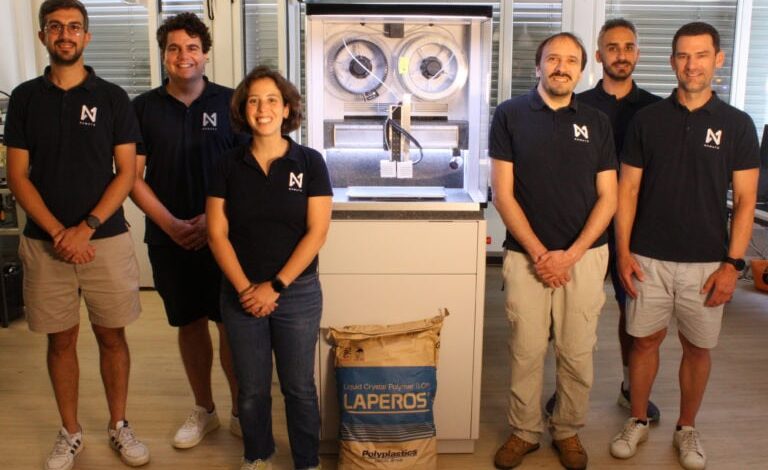
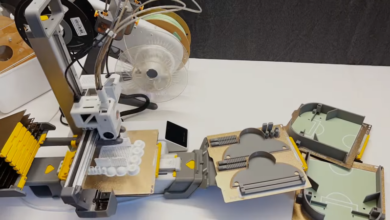
Swiss startup NematX has announced a strategic investment from POLYPLASTICS, a leading authority in high-performance engineering plastics. This collaboration marks a significant step in additive manufacturing (AM), blending POLYPLASTICS’ advanced polymer expertise with NematX’s innovative high-precision extrusion technology.

“The strategic partnership with POLYPLASTICS and the DAICEL Group represents a pivotal milestone for NematX . We are extremely grateful to move forward into the future with such reliable and competent partners” said Raphael Heeb, CEO and Co-Founder of NematX AG.
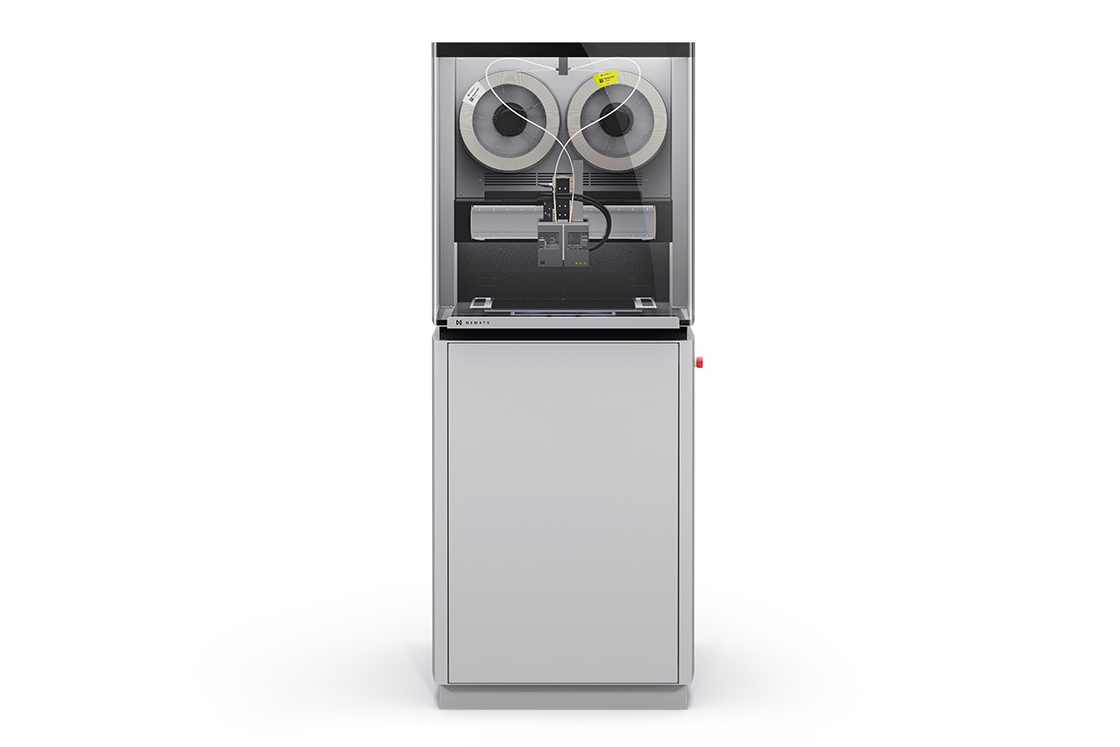
The Daicel Group is a $3.95 billion Japanese chemical company with a majority stake in POLYPLASTICS. This investment will align POLYPLASTICS experience in developing liquid crystal polymers (LCP) with NematX ‘s already existing NEX 01 printing platform. NematX Introduced LCP printing to the market in 2020 and unveiled its NEX 01 printer in 2022. Materials made from LCPs demonstrate high strength, temperature, and radiation resistance. NematX states on its website that its LCP parts are “10x stronger” than parts printed in PEEK, the tough semi-crystalline polymer sought after by aerospace, medical, and oil and gas companies alike.

POLYPLASTICS is one of less than twenty manufacturers worldwide who have an LCP product available on the market. The two companies expect to develop new engineering polymer grades and printing methods to meet higher standards across a variety of product areas. The companies have already expressed a desire to expand the NEX 01 into new specialized markets such as printing electronic components. While this application might not pass the smell test to some, the NEX 01 could be a turnkey solution for businesses like small-scale PCB manufacturers. The new partnership also hopes to capitalize on LCP’s potential for a broader spectrum of medical applications. Its is currently utilized for its radiation resistance in medical parts that require radiation sterilization, but the hope seems to be the printing of components for medical electronics.

In their announcement, the two companies also expressed a desire to develop more eco-friendly materials and efficient printing processes, which one might expect could involve Daicel’s cellulose acetate bioplastic. As we’ve all just lived through the hottest day in recorded history (so far), it’s good that additive firms are putting sustainability concerns at the forefront of their work.

Source link

Show More

Related Articles

Leave a Reply

Your email address will not be published. Required fields are marked *

Back to top button