
The Benefits of 3D Printing Architectural Concept Models
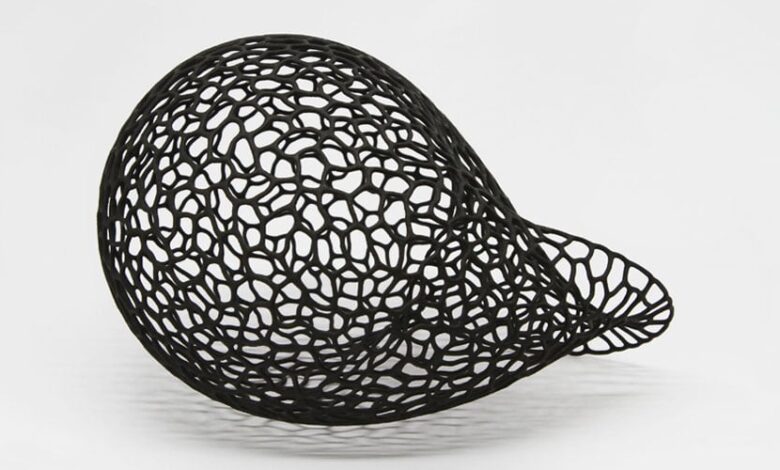
A concept model is crucial for being able to visualize an architectural structure as accurately as possible. Having a model makes it possible for every member of the team to be on the same page as well as allowing communication with clients in greater detail. Concept models have traditionally been made by hand by cutting out the shapes in paper, cardboard, foam-core or timber and it can take anywhere from days to weeks to complete a large context model. Many firms’ model shops have now been switching over to 3D printing to create their models instead for a number of different reasons.
Easing Communication Between Designers and Clients
When it comes to communicating complex design ideas, the clients need to be able to fully visualize what they are signing on for. If a design is overly theoretical or technical that the client cannot fully understand it this could lead to problems later on. 3D printing produces cleaner and more contemporary looking tangible models with as much detail as possible and allows clients to make informed decisions and give better feedback. It allows the client to more directly visualize information like materials, colors and design elements.
Efficiently Testing, Editing and Refining Designs
Many times a model
needs to be reiterated a number of times to allow for alterations. Where the
typical process for producing a model takes time and can be quite expensive, 3D
printing the model makes it much easier to change the 3D design and then
rapidly create a new prototype within a couple of hours. This makes testing and
refining designs a much quicker process. Saving the designs also cuts time out
for future projects, if any of the information for previous designs becomes
useful again.

Improving Quality in Details and Materials
3D printing also
allows for an extremely high level of intricacy and details that are much more
difficult to produce by hand. Designers can use 3D printing to demonstrate
connections between structural elements (interlocking, overlapping, for
example) in multiple configurations to develop site plans in the most accurate
way possible. It is also easier to create more complex structural details like
domes and arches. 3D printers can use different materials for different aspects
of the models to further illustrate their concept. Some popular choices include
Nylon Plastic, transparent resin or metal. 3D printed models are much more
durable than paper or cardboard.
Extending 3D Printing to Prototypes and Specific Design
Elements
The usability of 3D
printing extends past full concept model making as well. Using a 3D printer, it
is possible to print concept models of specific parts of the buildings being
designed, like facades for different walls and other textures to further
illustrate design ideas. Parts can be 3D printed in full, but casts can also be
printed to create the prototype of a ceramic tile, for example, much easier and
quicker. Prototypes of the structure can then come to life long before the
build is complete.
When it comes to designing anything, especially such large scale entities like buildings or landscapes, 3D printing helps to streamline the process by visually communicating these ideas. Many architecture firms have begun acquiring their own desktop 3D printers to be able to produce models and prototypes quickly and at low cost. As 3D printing is still a relatively new technology there can be a learning curve in the transition to using it which makes outsourcing to specialized 3D printing companies like Shapeways a constructive alternative.
Print with Shapeways
Shapeways offers consultations with 3D engineers to ensure efficiency and printability of the design in question at the highest quality, making the printing process as smooth as possible. Even as the use of desktop printers becomes easier it can be beneficial to outsource to printers like Shapeways who can deliver a specialized level of precision, print with a wider range of materials and guarantee efficiency in order to create top quality, high detail models for client showcases or trade shows. Creating models with as much detail and accuracy as possible is of the utmost importance not only for showing manufacturers but also for engaging clients.
Need help with your architectural projects? Get in touch!